


mig vs electrode welding
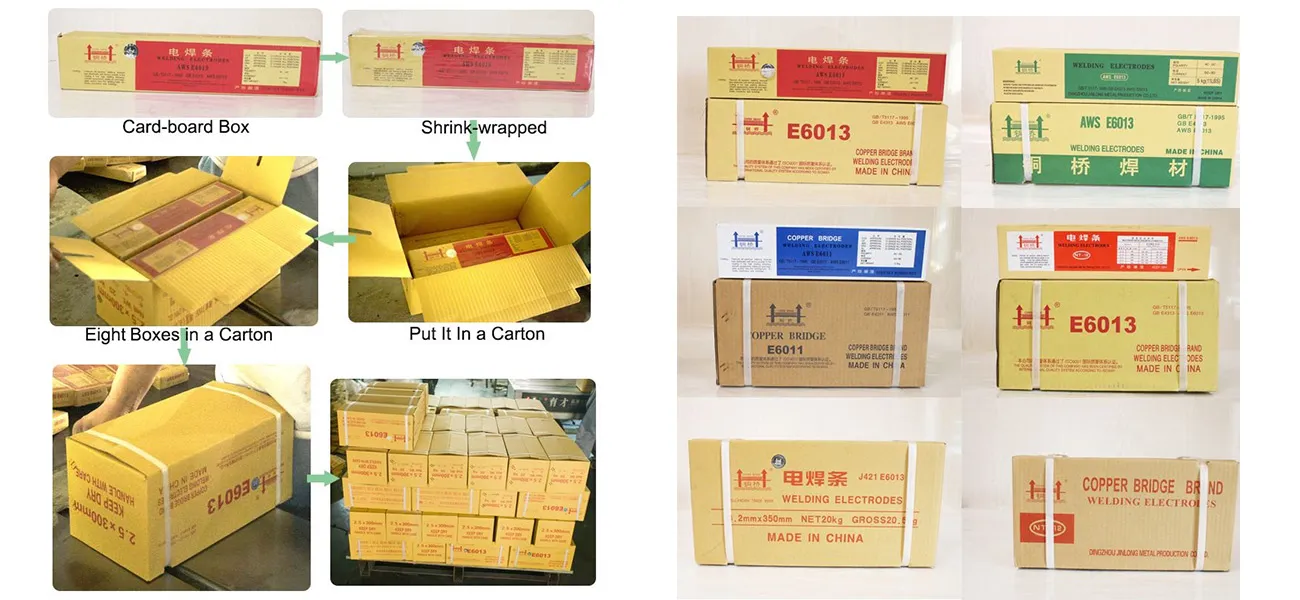
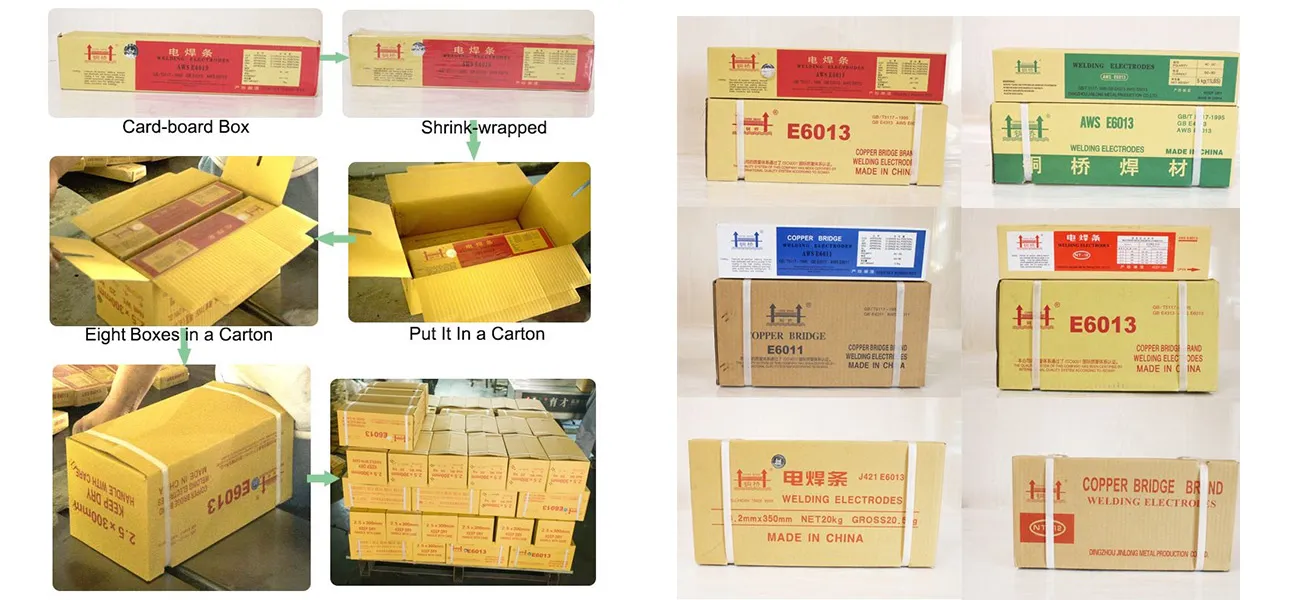
In the demanding landscape of industrial fabrication and repair, the choice of welding electrode is paramount to achieving structural integrity and operational longevity. Among the most widely utilized electrodes, the E6011 welding rod and the E7018 welding rod stand out for their distinct characteristics and application profiles. Understanding the nuanced differences between these two is critical for engineers, fabricators, and procurement specialists making informed decisions for diverse projects, from infrastructure development to heavy machinery maintenance. This article delves into the technical specifications, application scenarios, and strategic considerations for selecting between E6011 and E7018 , ensuring optimal performance and compliance with industry standards. Industry Trends in Welding Electrodes The welding industry is continually evolving, driven by demands for increased productivity, enhanced material performance, and stringent environmental regulations. Current trends highlight a growing emphasis on high-efficiency consumables, automation compatibility, and specialized electrodes for advanced materials. For electrodes like 6011 or 7018 , the trend points towards formulations that offer superior arc stability, reduced spatter, and improved mechanical properties, even in challenging conditions. There's also a significant push towards electrodes that facilitate out-of-position welding, critical for complex structural work where access is limited. The global welding consumables market, valued at approximately USD 14.5 billion in 2022, is projected to grow at a CAGR of over 4% from 2023 to 2030, underscoring the sustained demand for reliable welding solutions. Innovations in flux coatings and core wire alloys are continuously enhancing the versatility and performance envelope of both cellulosic (like E6011 ) and low-hydrogen (like E7018 ) electrodes, adapting them for new applications in sectors such as renewable energy and lightweight manufacturing. Manufacturing Process: Ensuring Quality in Welding Rods The production of high-performance welding electrodes like E6011 and E7018 involves a meticulous multi-stage process, designed to ensure consistent quality, precise chemical composition, and optimal mechanical properties. This controlled manufacturing environment adheres to international standards such as ISO 2560 and AWS A5.1, guaranteeing reliability for critical applications. Product Materials Core Wire: Typically a low-carbon steel wire (e.g., SAE 1008 or 1010), chosen for its excellent ductility and consistency. For specialized applications, alloy steels may be used. Flux Coating: This is the critical component distinguishing E6011 from E7018 . E6011 (Cellulosic): Rich in cellulose, titania, and deoxidizers. The high cellulose content produces a deeply penetrating arc and rapid-freezing slag. E7018 (Low-Hydrogen, Iron Powder): Contains a high percentage of iron powder, limestone (for low hydrogen), rutile, and ferroalloys. This provides a smoother arc, high deposition rate, and excellent mechanical properties with minimal hydrogen content. Manufacturing Processes Wire Drawing: High-quality steel rods are drawn through dies to achieve the precise diameter required for the electrode core wire. This process enhances tensile strength and surface finish. Wire Cleaning and Straightening: The drawn wire undergoes chemical cleaning to remove contaminants and is mechanically straightened to ensure uniform flux application. Flux Mixing: Raw flux ingredients are precisely weighed and blended into a homogeneous mixture, often with a silicate binder (e.g., sodium or potassium silicate). The exact formulation dictates the electrode's performance. Extrusion (Coating): The cleaned core wire is fed into an extrusion press, where the flux mixture is hydraulically pressed onto the wire, forming a concentric coating. This step is critical for maintaining consistent arc characteristics. Baking/Drying: Electrodes are baked in controlled ovens to remove moisture and cure the flux coating. E6011: Baked at lower temperatures (around 100-150°C) as some moisture is desired for its arc characteristics. E7018: Baked at high temperatures (around 350-450°C) to ensure ultra-low moisture content, critical for its low-hydrogen properties, preventing hydrogen-induced cracking. Tip Dipping and Branding: The striking end of the electrode is dipped to provide a bare wire contact for arc initiation. The opposite end is branded with identification marks (e.g., AWS classification, manufacturer). Final Inspection & Packaging: Each batch undergoes rigorous visual inspection, dimensional checks, and performance testing before packaging in moisture-resistant materials. Testing Standards and Service Life All electrodes are tested to meet AWS A5.1 (Specification for Carbon Steel Electrodes for Shielded Metal Arc Welding) and ISO 2560 standards. Key tests include chemical analysis, tensile strength, yield strength, elongation, impact toughness (Charpy V-notch), and radiography to detect weld defects. The service life of the weld joint depends on the application, but using correctly chosen and applied electrodes like 6011 or 7018 , in accordance with these standards, ensures decades of structural integrity in target industries. Target Industries and Advantages These electrodes find extensive use in diverse sectors: Petrochemical: For pipelines, pressure vessels, and storage tanks, where corrosion resistance and robust welds are critical. Metallurgy: In steel mills for structural repairs and equipment fabrication. Water Supply & Drainage: For pipe networks, treatment plants, and pumping stations. Construction: Structural steel erection, bridges, and heavy equipment repair. Advantages include significant energy savings due to efficient arc characteristics, superior corrosion resistance when appropriate base metals and procedures are used, and exceptional mechanical properties ensuring long-term structural integrity. Technical Specifications and Performance Parameters Understanding the core technical specifications is crucial for differentiating between E6011 and E7018 . These parameters dictate their suitability for specific applications and welding environments. AWS E6011 Welding Rod Specifications Parameter Value (Typical) Description AWS Classification E6011 Electrode, 60 ksi Tensile Strength, All Positions, AC & DC+ Tensile Strength 60,000 psi (min) Minimum tensile strength of the deposited weld metal Yield Strength 50,000 psi (min) Minimum yield strength of the deposited weld metal Elongation 22% (min) Ductility of the deposited weld metal Welding Positions All (Flat, Horizontal, Vertical Up, Overhead) Versatility across different joint orientations Current Type AC or DCEP (DC+) Can be used with various power sources Penetration Deep Excellent for dirty, rusty, or painted surfaces Slag Type Thin, brittle, easily removable Facilitates quick cleanup AWS E7018 Welding Rod Specifications Parameter Value (Typical) Description AWS Classification E7018 Electrode, 70 ksi Tensile Strength, All Positions, Low Hydrogen Tensile Strength 70,000 psi (min) Higher minimum tensile strength than E6011 Yield Strength 60,000 psi (min) Higher minimum yield strength Elongation 22% (min) Similar ductility to E6011 Welding Positions All (Flat, Horizontal, Vertical Up, Overhead) Excellent all-position capability Current Type DCEP (DC+) or AC Preferred with DC for optimal results Penetration Medium Smooth, stable arc, excellent bead appearance Hydrogen Content Very Low (< 8ml/100g) Crucial for preventing hydrogen-induced cracking Slag Type Heavy, easily removable Good protection of the weld pool Difference Between 6011 and 7018 Welding Rods: A Comparative Analysis The distinction between these electrodes primarily lies in their flux coating composition, which directly influences their arc characteristics, mechanical properties, and application suitability. Feature E6011 Welding Rod E7018 Welding Rod Flux Type Cellulosic Low-Hydrogen, Iron Powder Arc Characteristics Forceful, deeply penetrating, sometimes erratic Smooth, stable, soft arc with minimal spatter Penetration Deep, suitable for dirty or rusty surfaces Medium, designed for clean, precise welds Mechanical Properties Good tensile strength (60 ksi), good ductility Excellent tensile strength (70 ksi), superior toughness, low-temperature impact strength Hydrogen Content Higher (not low-hydrogen) Very low, minimizes hydrogen-induced cracking Slag Removal Thin, brittle, easily removable Heavy, but easily removable Appearance of Weld Bead Rippled, sometimes rougher Smooth, uniform, excellent aesthetic Base Material Suitability Mild steel, galvanized, rusty, or painted surfaces Mild steel, low-alloy steels, high-strength steels, pressure vessels Application Scenarios and Optimal Use Cases The choice between E6011 and E7018 heavily depends on the specific demands of the welding task, the type of base metal, and the required weld quality. What is E6011 Welding Rod Used For? Field Repairs: Its deep penetration and ability to handle contaminated surfaces make E6011 ideal for outdoor field repairs on farm equipment, fences, and general maintenance where surface preparation is minimal. Galvanized Steel: The aggressive arc helps burn through zinc coatings on galvanized steel, making it a preferred choice for such applications. Thin Gauge Metals: Despite its deep penetration, skilled welders can use it effectively on thinner materials due to its fast-freezing slag. General Fabrication: For structural components, sheet metal work, and light industrial fabrication where a robust, quick weld is needed and cosmetic appearance is secondary. Pipelines (Root Pass): In certain pipeline applications, E6011 can be used for root passes due to its deep penetration and ability to bridge gaps. When to Use E7018 Welding Rod? Critical Structural Welding: Bridges, buildings, heavy equipment, and pressure vessels, where high strength, ductility, and crack resistance are paramount. Low-Alloy and High-Strength Steels: Its low-hydrogen properties are essential for preventing hydrogen-induced cracking in these sensitive materials. Heavy Fabrication: Used extensively in shipbuilding, offshore platforms, and construction of large machinery components. Repairs of Castings: Its excellent mechanical properties make it suitable for repairing critical cast iron or steel components. Demanding Codes and Standards: Projects requiring adherence to strict welding codes (e.g., ASME, API, ABS) often specify low-hydrogen electrodes like E7018 . Technical Advantages and Performance Benefits Both E6011 and E7018 offer distinct technical advantages that make them indispensable in various welding applications. Advantages of E6011 : Excellent Penetration: Creates strong root passes, especially useful for welding through rust, paint, or dirt, minimizing the need for extensive surface preparation. All-Position Versatility: Can be used in all welding positions, making it highly adaptable for complex structural work or field repairs. AC/DC Capability: Compatible with both Alternating Current (AC) and Direct Current Electrode Positive (DCEP), offering flexibility with various welding machines. Cost-Effectiveness: Generally more economical and easier to use for less critical applications. Advantages of E7018 : Superior Mechanical Properties: Provides higher tensile strength, yield strength, and exceptional toughness, including good impact strength at low temperatures. This is critical for applications where structural integrity under dynamic loads or extreme temperatures is required. Low Hydrogen: Drastically reduces the risk of hydrogen-induced cracking (HIC) in high-strength steels and thick sections, a common issue in critical fabrications. Smooth Arc and Bead Appearance: Produces a very stable arc with minimal spatter, resulting in a smooth, aesthetically pleasing weld bead that often requires less post-weld cleaning. High Deposition Rate: The iron powder in the flux coating contributes to higher metal deposition rates, improving productivity. Radiographic Quality: Welds produced with E7018 typically exhibit excellent radiographic quality, free from porosity and inclusions, making them suitable for inspection-intensive applications. Vendor Comparison and Customized Solutions When sourcing welding electrodes like 6011 or 7018 , B2B decision-makers must consider several factors beyond basic specifications. Reputable manufacturers offer more than just a product; they provide expertise, consistency, and support. Key considerations include: Certifications and Compliance: Ensure vendors adhere to international standards (e.g., ISO 9001, AWS A5.1/A5.5, CE marking). Traceability: Full traceability from raw materials to final product ensures quality control. Technical Support: Access to metallurgical expertise and application engineering support. Consistent Quality: A track record of consistent batch-to-batch quality is crucial to avoid production disruptions. Customized Solutions While standard E6011 and E7018 electrodes cover a vast range of applications, specialized projects may require tailored solutions. Leading manufacturers can offer: Custom Flux Formulations: Adjusting flux components to enhance specific properties, such as improved impact toughness, enhanced corrosion resistance, or modified arc characteristics for particular welding positions. Proprietary Core Wire Alloys: Developing core wires with specific chemical compositions to match exotic base metals or achieve unique mechanical properties. Specialized Packaging: Tailored packaging for extreme environments (e.g., vacuum-sealed for ultra-low moisture, anti-corrosion treatments) or automated welding systems. Optimized Electrode Lengths and Diameters: Manufacturing electrodes in non-standard sizes to fit unique automated processes or restricted access welding. These customized solutions are typically developed in close collaboration with client engineering teams, leveraging the manufacturer's R&D capabilities to address highly specific project requirements. For instance, a major offshore drilling platform requiring welds capable of withstanding extreme hydrostatic pressures and fatigue loading might need an E7018 variant with enhanced low-temperature toughness and controlled silicon levels. Application Case Studies Case Study 1: Structural Steel Bridge Fabrication ( E7018 ) A leading infrastructure company was tasked with fabricating large structural steel components for a new highway bridge. The project demanded welds with superior tensile strength, ductility, and excellent resistance to fatigue and low-temperature brittle fracture, adhering strictly to AASHTO/AWS D1.5 Bridge Welding Code. Challenge: Ensure high-quality welds in thick-section structural steel (ASTM A572 Grade 50) to prevent hydrogen-induced cracking and meet stringent Charpy V-notch impact test requirements at -20°F. Solution: The project exclusively utilized premium-grade E7018 welding rod , meticulously stored in heated ovens at 250°F (121°C) to maintain low moisture content. Qualified welders followed strict preheat and interpass temperature controls. Results: Over 10,000 linear feet of weld were successfully completed, all passing ultrasonic testing and visual inspection with zero defects related to hydrogen cracking. The welds consistently met or exceeded the specified mechanical properties, ensuring the long-term integrity and safety of the bridge structure. This demonstrates the critical role of E7018 in high-consequence applications. Case Study 2: Remote Pipeline Repair ( E6011 ) A field maintenance crew for an oil and gas company needed to perform urgent repairs on a section of a carbon steel pipeline (API 5L Grade B) located in a remote, muddy area. The pipe surface had residual mud and some superficial rust. Challenge: Rapid repair was needed under less-than-ideal field conditions with minimal surface preparation capabilities and limited access for heavy equipment. The weld had to achieve sufficient penetration despite surface contaminants. Solution: The crew opted for E6011 welding rod due to its deep penetrating arc and tolerance for minor surface impurities. A portable DC welder was used. The root pass was executed with E6011 , followed by filler and cap passes with the same electrode. Results: The aggressive arc of E6011 effectively burned through the light contaminants, establishing a solid root pass. The repair was completed quickly and efficiently, restoring pipeline integrity and preventing further operational downtime. This case highlights the practical versatility of E6011 in real-world, challenging field environments, making the decision between 6011 or 7018 clear for such scenarios. Frequently Asked Questions (FAQ) Q: Can I use E6011 and E7018 interchangeably? A: No, they are not interchangeable. While both are all-position electrodes, their flux compositions and resulting weld properties are significantly different. Using E6011 where E7018 is specified (e.g., for critical, high-strength applications) can lead to weld failure due to lower strength, toughness, and higher hydrogen content. Conversely, using E7018 on heavily contaminated surfaces can result in porosity due to its lower tolerance for impurities. Q: How should E7018 electrodes be stored? A: E7018 electrodes are low-hydrogen and extremely susceptible to moisture absorption. They must be stored in hermetically sealed container111s or held in heated electrode ovens (usually at 250-300°F / 121-149°C) to maintain their low-hydrogen properties. Exposure to atmospheric moisture can lead to hydrogen-induced cracking in the weld metal. Q: Is E6011 suitable for welding stainless steel? A: No, E6011 is designed for carbon steel. Welding stainless steel requires specific stainless steel electrodes (e.g., E308L-16) that match the metallurgical properties and corrosion resistance of the stainless alloy to prevent carbide precipitation and maintain corrosion resistance. Q: What is the significance of "low hydrogen" in E7018 ? A: Low hydrogen refers to the minimal amount of hydrogen present in the weld deposit. Hydrogen, when trapped in the solidifying weld metal, can cause delayed cracking, particularly in high-strength steels or thick sections. E7018 's low-hydrogen flux coating prevents this, making it critical for high-integrity welds. Lead Time, Warranty, and Customer Support Lead Time & Fulfillment For standard orders of 6011 or 7018 electrodes, typical lead times range from 3-5 business days for domestic shipments and 10-14 business days for international orders, subject to order volume and specific product availability. Large-scale custom orders or bulk purchases may require extended lead times, which are communicated upfront during the quotation process. Our logistics network ensures efficient fulfillment and timely delivery to minimize project delays. Expedited shipping options are available upon request for urgent requirements. Warranty Commitments All welding electrodes are backed by a comprehensive manufacturer's warranty, covering defects in material and workmanship for a period of 12 months from the date of purchase. This warranty ensures that products meet or exceed AWS A5.1/A5.5 standards when stored and used according to manufacturer specifications. Our commitment to quality means that any product failing to meet these standards will be replaced or refunded. Specific terms and conditions are provided with each order. Customer Support Our dedicated technical support team provides expert assistance to B2B clients, covering product selection, application guidance, troubleshooting, and post-sales inquiries. Support is available via phone, email, and live chat during business hours. For complex projects, on-site technical consultations can be arranged. We are committed to ensuring that our clients achieve optimal welding results with our products, whether they choose E6011 or E7018 for their applications. Our 20+ years of industry experience ensure authoritative guidance. Authoritative References American Welding Society. (2012). AWS A5.1/A5.1M:2012 Specification for Carbon Steel Electrodes for Shielded Metal Arc Welding. Miami, FL: American Welding Society. International Organization for Standardization. (2011). ISO 2560:2009(R2011) Welding consumables — Covered electrodes for manual metal arc welding of non-alloy and fine grain steels — Classification. Geneva, Switzerland: ISO. The Fabricator. (2023). Welding Consumables Market Projected to Grow by 4% Annually. Gardner Business Media, Inc. Lincoln Electric. (2020). The Procedure Handbook of Arc Welding (14th ed.). Cleveland, OH: The Lincoln Electric Company.

WHAT CUSTOMERS SAY
The welding rods and wires from this company are of excellent quality and reliable performance. Their products provide consistent results, meeting our production needs perfectly. Customer service is professional and responsive, always addressing inquiries promptly. Deliveries are timely, ensuring our operations run smoothly without delays.
——Helen

EXCLUSIVE CUSTOMIZED SERVICE

Feel free to reach out anytime.

Please tell us more about what you need.

We’ll finalize the date shortly.

We’ll make sure to note down your request.

Contact us online anytime.

Ensuring consistent production quality.

Get in touch with us online.

Caring every step.


 English